
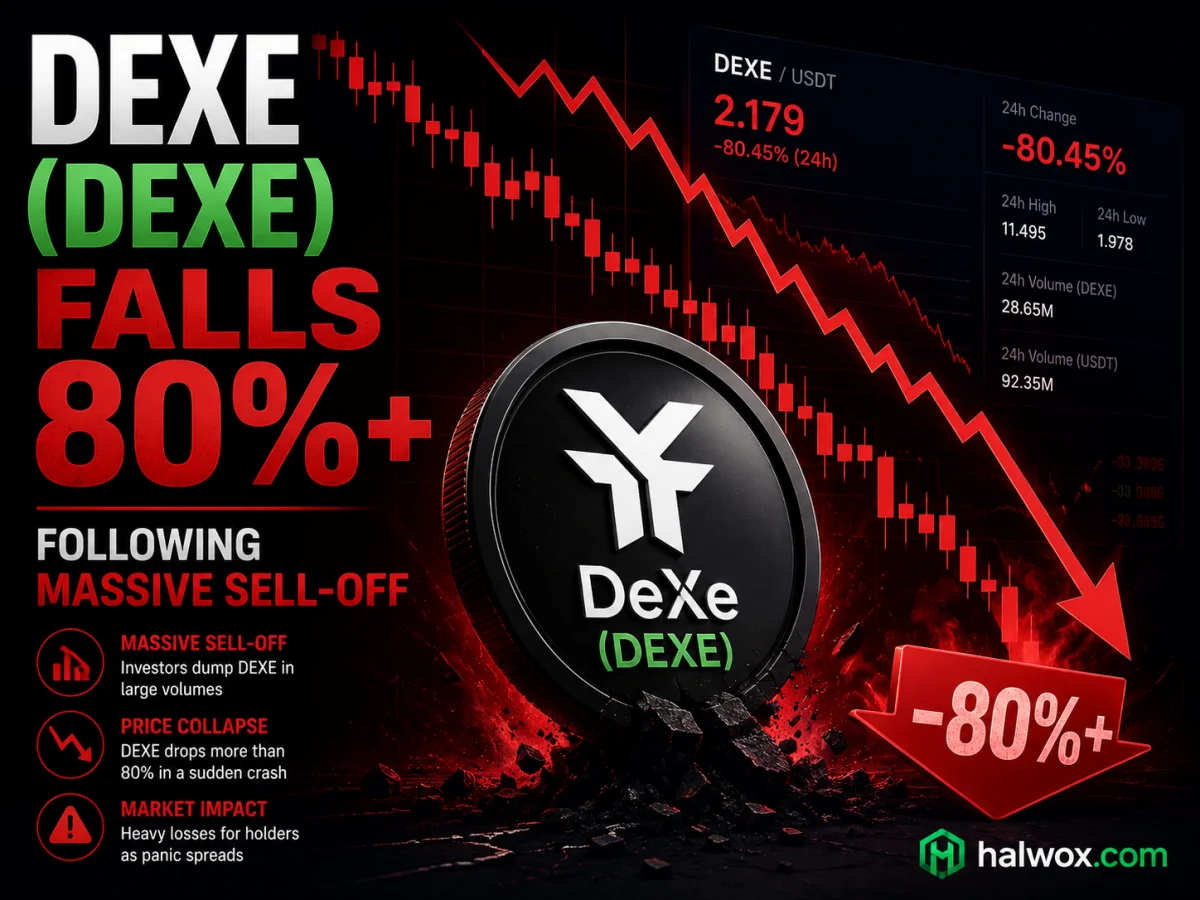
DeXe (DEXE) experienced one of the largest price declines in the cryptocurrency market this year after its value dropped by more than 80% in a single day. The sudden sell-off erased most of the token's recent gains and caught many traders by surprise.
While Bitcoin and much of the broader crypto market remained relatively stable, DEXE fell sharply from above $23 to around $4.83, making it one of the worst-performing digital assets during the session.
The token is now trading more than 90% below its recent record high of $48.91, which was reached on July 13.
Large Token Transfers Raise Concerns
On-Chain Activity Draws Attention
The sharp decline appears to have been triggered by large token transfers linked to wallets reportedly associated with the DeXe project.
According to blockchain analyst morsyxbt, wallets believed to be connected to the team transferred approximately 625,000 DEXE to cryptocurrency exchange Binance on July 21. At the time, the tokens were valued at around $6.2 million.
Reports suggest the transferred tokens were later sold, increasing selling pressure after DEXE had already experienced a rapid price rally.
The transactions quickly attracted attention across the crypto community, with many traders viewing the large exchange deposits as a possible sign that major holders were reducing their positions.
Panic Selling Accelerated the Decline
As concerns spread, many investors rushed to sell their holdings, causing the price to fall even faster.
Unlike broader market corrections driven by Bitcoin or macroeconomic events, DEXE's decline appeared to be largely isolated. Other major cryptocurrencies remained relatively stable while DEXE continued its sharp drop.
The sell-off followed a strong rally that had pushed the token close to $49 in just a few days. Rapid price increases can sometimes leave an asset vulnerable to sharp corrections, especially when liquidity is limited and large holders begin selling.
Liquidations Added More Downward Pressure
Leveraged Traders Forced Out
The initial selling wave was followed by a series of liquidations in the derivatives market.
According to crypto market commentator Crypto__Haris, funding rates turned sharply negative as prices declined, and many leveraged traders suffered significant losses.
When leveraged positions are automatically liquidated, exchanges sell those assets on the market to cover borrowed funds. This additional selling pressure can trigger even more liquidations, creating a chain reaction that drives prices lower.
This appears to have contributed to DEXE's rapid decline as falling prices forced more traders out of their positions.
Technical Outlook Remains Weak
The recent sell-off has pushed DEXE into what many traders consider an oversold area based on technical indicators.
The token has fallen approximately:
- 80.2% over the past 24 hours
- 88% during the last seven days
- 84.3% over the past 14 days
- 71.7% over the past month
- 40.3% over the past year
The 7-period Relative Strength Index (RSI) has reportedly dropped to around 27, a level often associated with heavy selling pressure and oversold market conditions.
Despite this reading, traders remain cautious as they watch for signs that selling activity has slowed.
Analysts are also monitoring on-chain data for additional large transfers to exchanges that could increase market pressure.
From a technical perspective, the $4.00 to $4.50 range is being watched as an important support zone. If buyers defend this area, it could help stabilize the price.
On the upside, $7.50 is considered a key resistance level. A move above this price may improve short-term market sentiment, although further confirmation would likely be needed before any recovery is established.
Why This Matters
Large token transfers by major holders can have a significant impact on cryptocurrency prices, particularly for assets with lower liquidity. The DEXE sell-off also highlights the risks associated with rapid price rallies and leveraged trading, where forced liquidations can accelerate market declines.
For investors, monitoring both on-chain activity and technical indicators remains important when evaluating sudden market movements.
Conclusion
DeXe suffered one of the biggest price drops of the year after falling more than 80% in a single day. Reports of large token transfers to Binance, combined with panic selling and a wave of liquidations, intensified the decline. While technical indicators suggest the token is now heavily oversold, traders continue to watch wallet activity and key price levels to determine whether selling pressure has finally eased.